Home›GCSE & FSMQ›Biology›Organisation›Coronary heart disease
Coronary heart disease
Causes, risk factors and treatments. Topic 5 of 7 in Organisation.
1. Coronary heart disease (CHD)
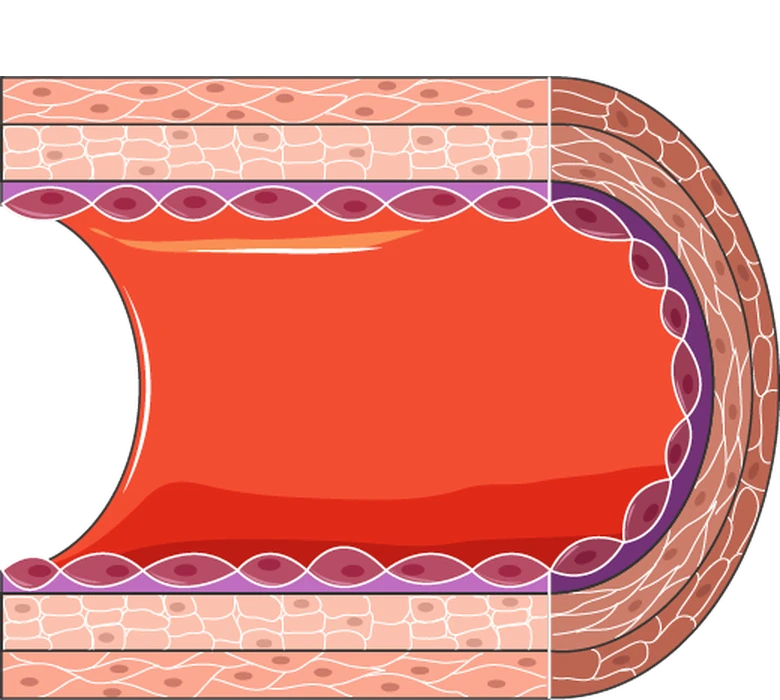
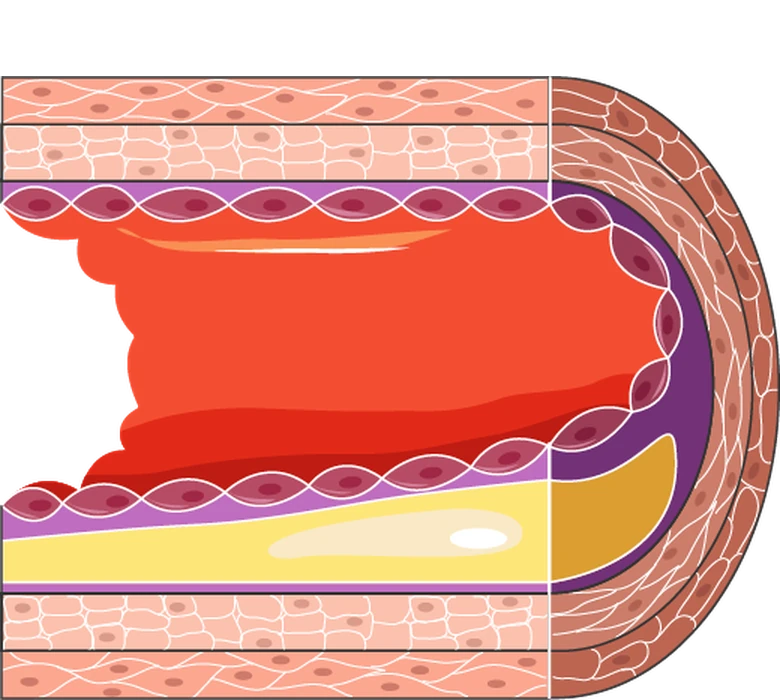
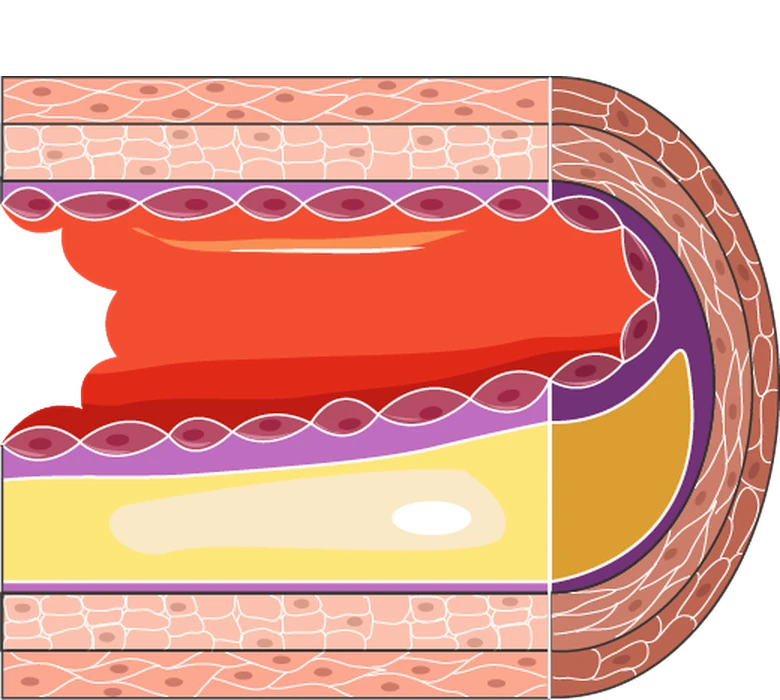
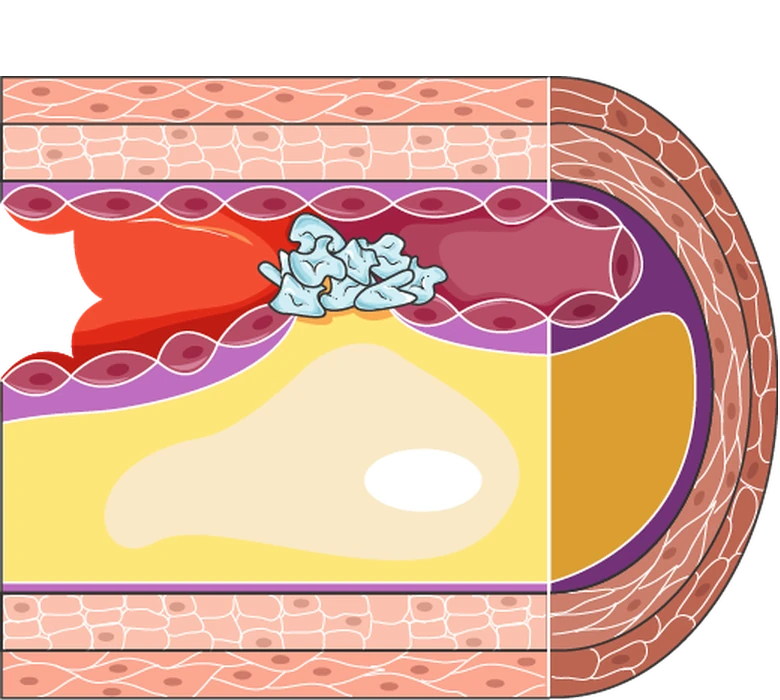
Coronary arteries can develop atherosclerosis — fatty material (including cholesterol) builds up in the artery walls, narrowing them and reducing flexibility.
This restricts oxygenated blood reaching heart muscle cells → cells can’t respire properly → can die → heart attack.
Risk factors: high blood pressure, smoking, excess alcohol, poor diet, high cholesterol, heredity, stress, lack of exercise.
Plaque building up in an artery
Cut across
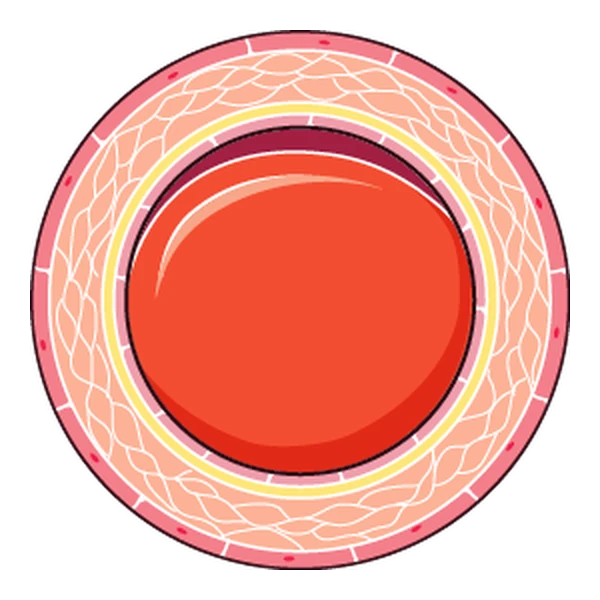
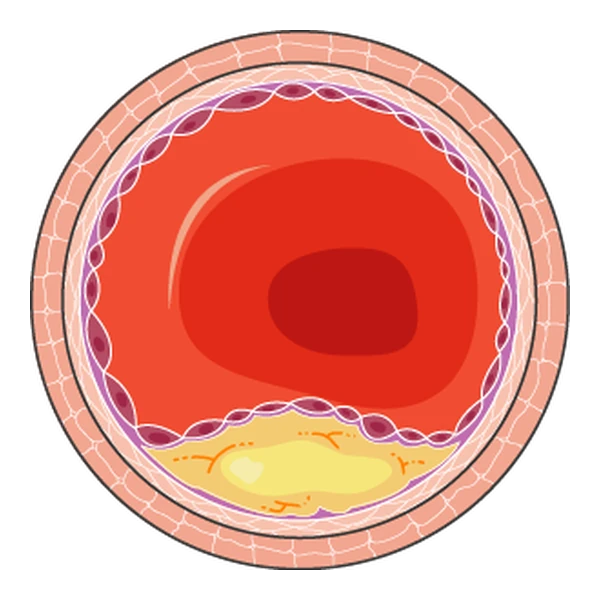
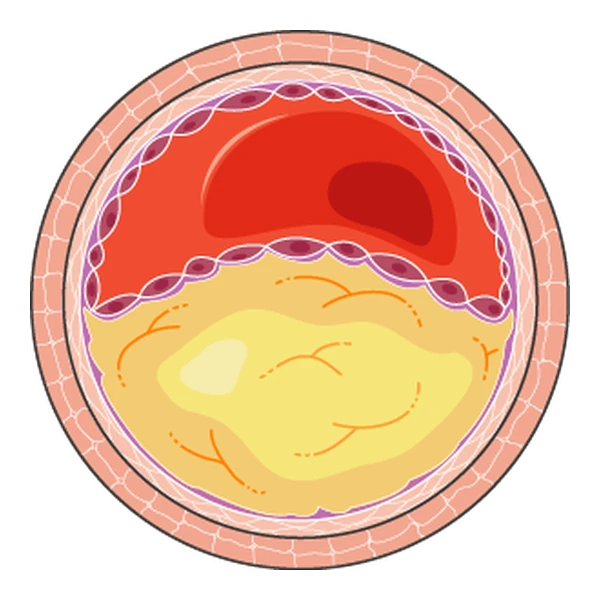
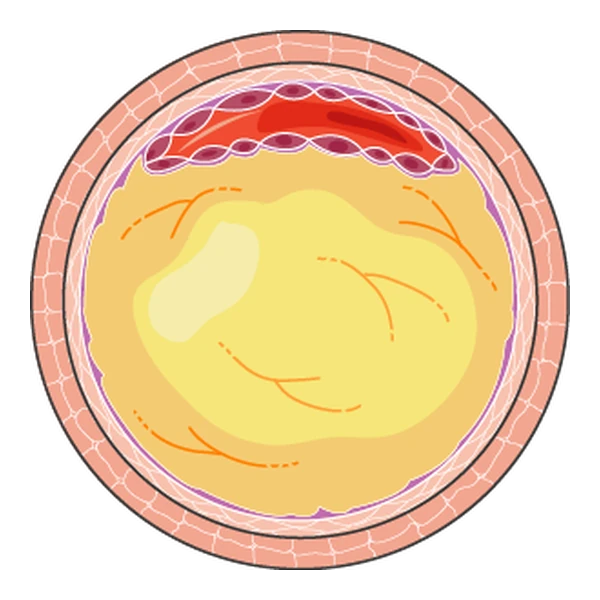
Cut lengthways
Treatments:
- Statins — drugs that lower blood cholesterol.
- Stents — small mesh devices inserted into a narrowed artery to hold it open (less invasive, faster recovery).
- Heart bypass — a section of blood vessel from elsewhere in the body (often a vein from the leg) is used to reroute blood around a blockage.
- Lifestyle changes — balanced diet, quitting smoking, reducing alcohol, healthy weight, regular exercise.
How a stent is fitted
-
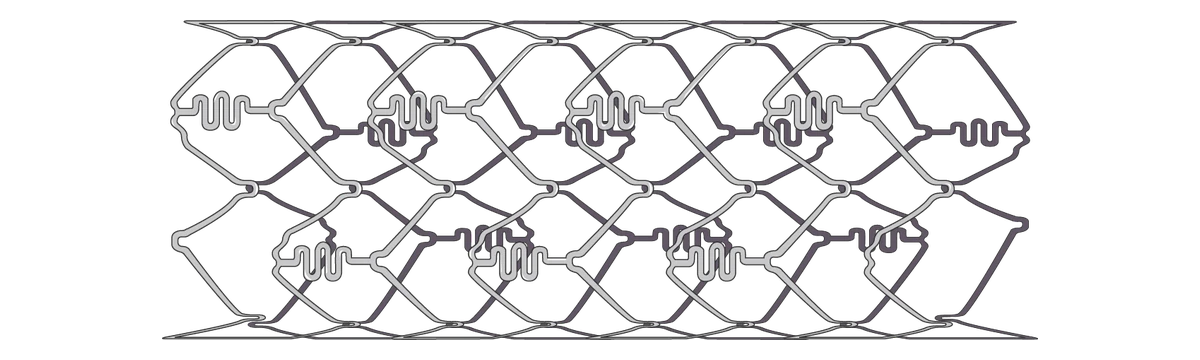
1 of 4 A stent
A stent is a small, expandable tube of metal mesh. It starts folded up small, so it can be threaded through the blood vessels to the narrowed artery.
-
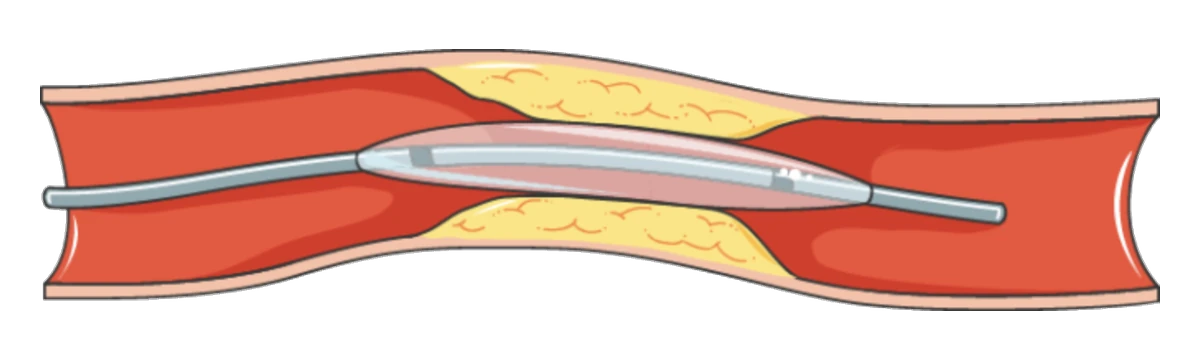
2 of 4 Balloon angioplasty
A thin tube (catheter) is passed through a blood vessel, usually in the wrist or groin, to the narrowed coronary artery. A small balloon on its tip is inflated, squashing the fatty plaque against the artery wall and widening the artery.
-
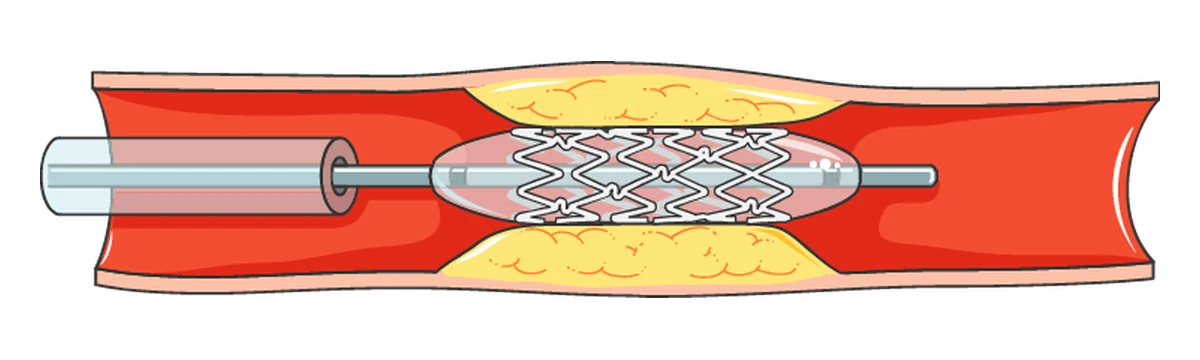
3 of 4 The stent goes in
A stent, folded tightly around a balloon, is moved into the narrowed section. Inflating the balloon opens the stent out against the artery wall.
-
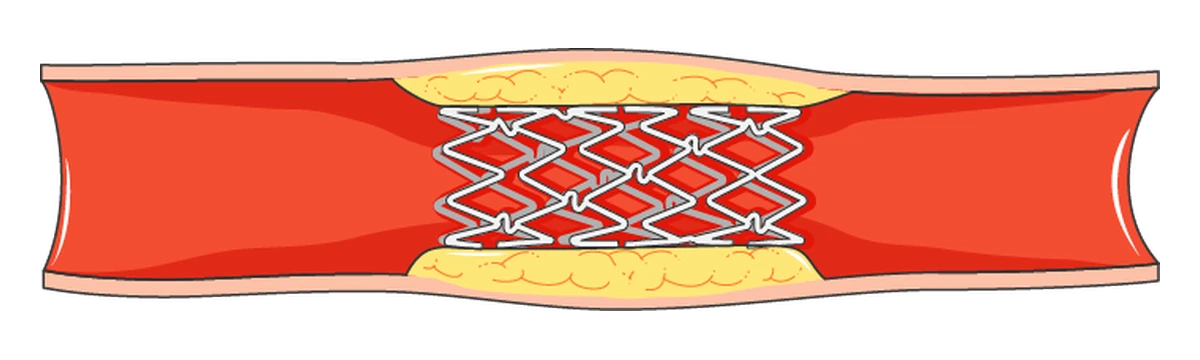
4 of 4 The artery stays open
The balloon is deflated and removed, but the stent stays in place. It holds the artery open, so blood can flow freely to the heart muscle again.
Other heart problems:
- Faulty valves — don’t open/close properly, causing backflow, breathlessness, fatigue; treated by valve replacement (biological or mechanical).
- Pacemaker problems — irregular pacemaker cells can be corrected with an artificial pacemaker.
- Septal defect (“hole in the heart”) — gap between the two sides lets oxygenated and deoxygenated blood mix; repaired surgically.
- Heart failure — may require a heart or heart-lung transplant.
Download
Print these and work through them away from the screen.
All of this is free
Every GCSE and FSMQ biology resource on this site is free, with no account needed. Taught sessions are currently GCSE maths only — if you would like a group opened for this subject, join the waiting list and it helps me decide what to run next.
Join the waiting list →